Culebra • Puerto Rico
Wildlife Encounters
Discover the remarkable wildlife that makes Culebra a true Caribbean nature sanctuary.
Introduction
A Living Caribbean Sanctuary
Culebra is much more than breathtaking beaches. It is also home to an extraordinary variety of wildlife that shares the island's forests, lagoons, mangroves, coastlines, and crystal-clear waters.
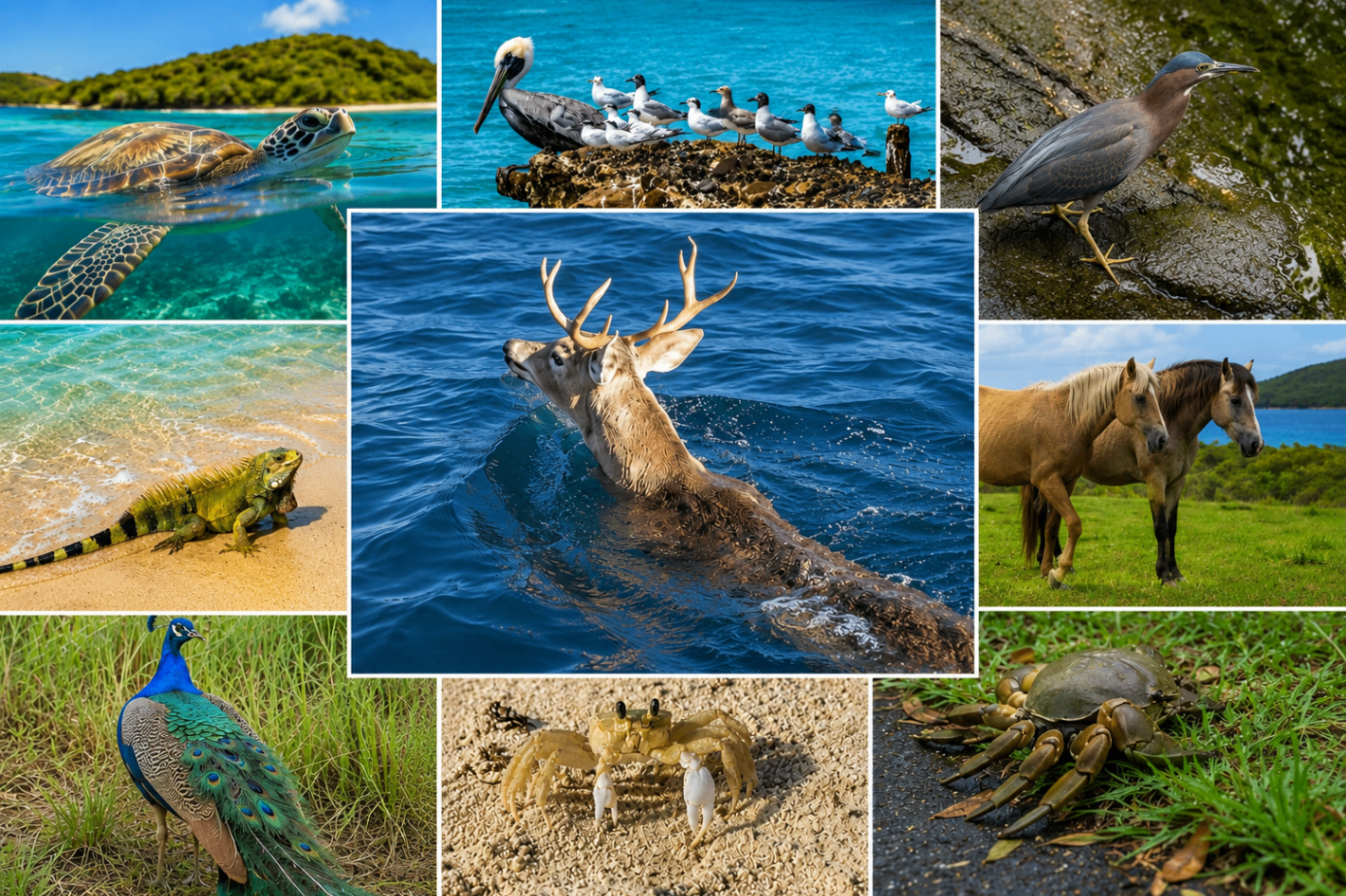
As you explore the island, you may encounter sea turtles gliding beneath the surface, graceful seabirds soaring above the coastline, colorful iguanas basking in the sun, herons quietly hunting along the shore, tiny ghost crabs crossing the sand, wild horses grazing freely, and even the famous swimming deer that have become one of Culebra's most fascinating sights.
Every encounter is a reminder that you are visiting a living ecosystem where people and nature coexist. Observing wildlife respectfully not only creates unforgettable memories—it also helps protect the island for future generations.
Take your time, look around, and enjoy one of Culebra's greatest treasures: its wild side.
🦌 Section 1
Swimming Deer
One of Culebra's Most Extraordinary Wildlife Encounters
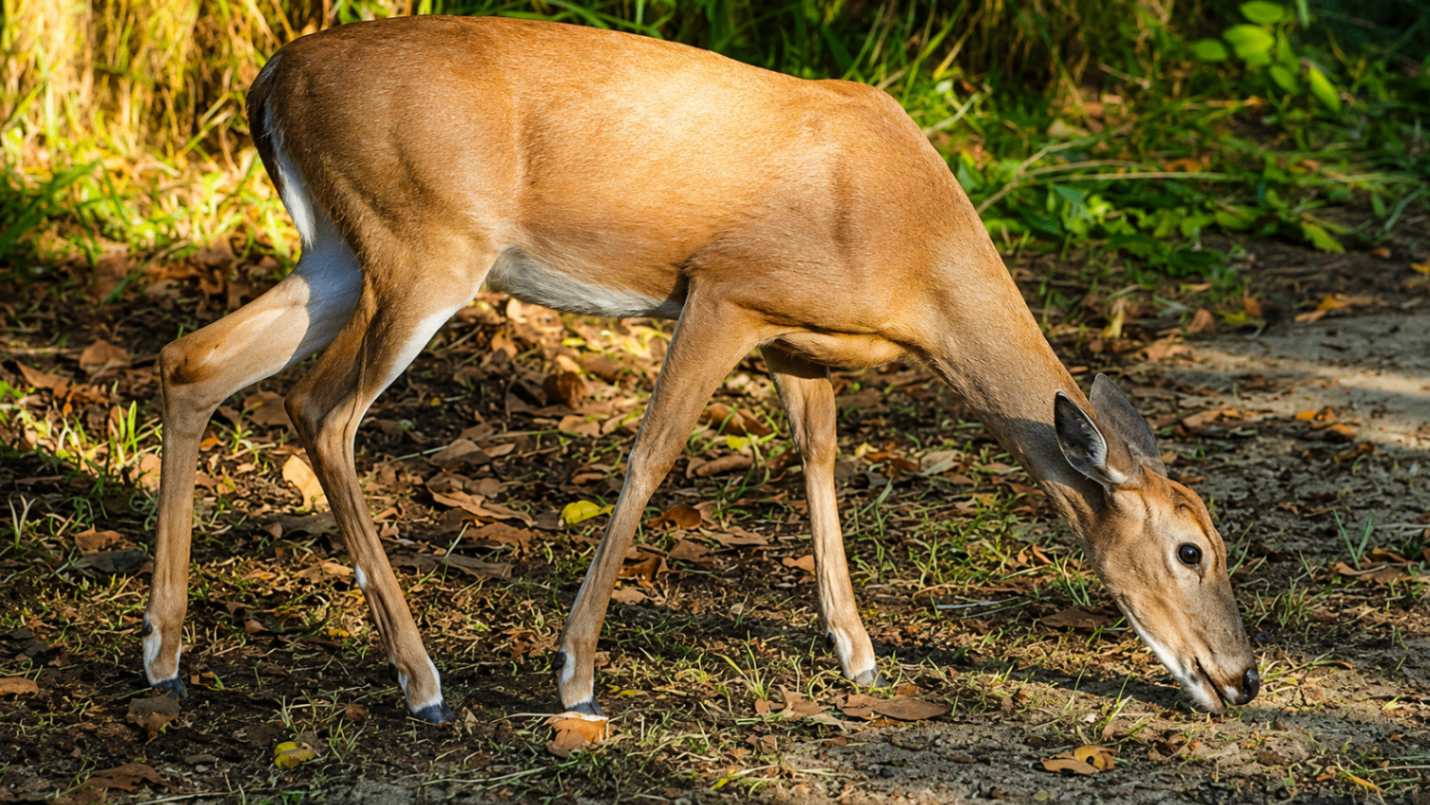
One of the most unforgettable sights in Culebra has nothing to do with the beaches—it happens when a white-tailed deer suddenly appears along the roadside or, even more surprisingly, swimming between islands.
White-tailed deer are not native to Culebra. Historical accounts agree they were introduced decades ago, but there is no single confirmed story explaining exactly how they arrived. Some local accounts say they were brought from nearby islands such as St. Croix or St. Thomas, while others suggest they were introduced during the U.S. Navy era. What is certain is that the population adapted exceptionally well and today deer have become one of Culebra's most recognizable wildlife symbols.
Today, deer can be seen almost anywhere on the island. They frequently cross roads around Flamenco, Zoni, Fulladosa, and many quieter areas where traffic is lighter. Early mornings and late afternoons are often the best times to spot them, especially during dry periods when they leave the hills in search of fresh water.
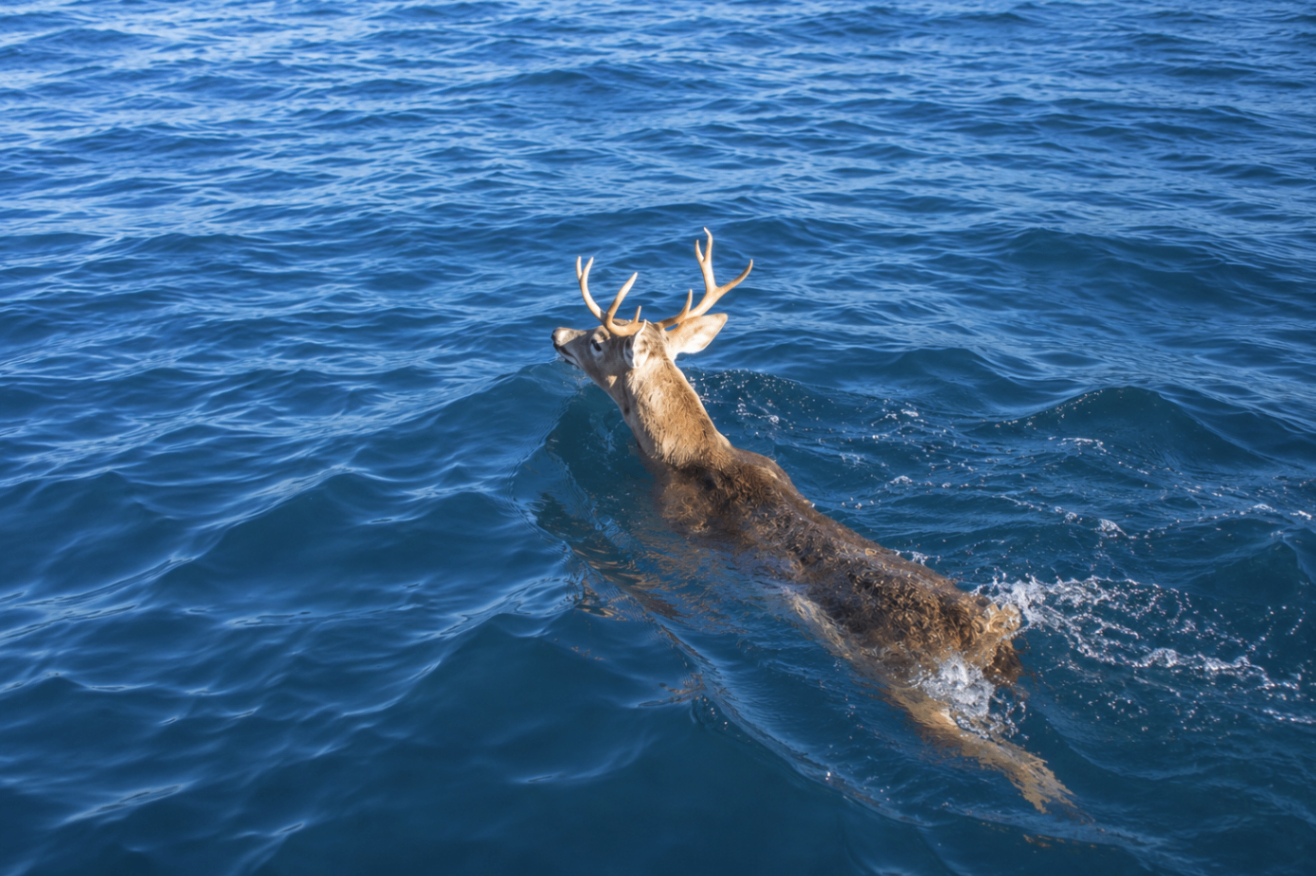
One of the most remarkable behaviors of Culebra's deer is their ability to swim. They are strong swimmers and are often seen crossing channels between Culebra and nearby cays in search of food, water, or new territory. Seeing a deer swimming in the Caribbean Sea is an experience few visitors ever expect.
Wildlife Etiquette
- Observe deer from a respectful distance.
- Never feed or chase them.
- Drive carefully, especially around sunrise and sunset.
- Allow them to cross roads safely without rushing them.
- Remember that this is their home—we are the visitors.
🐢 Section 2
Sea Turtles and Nesting Season
Gentle Guardians of Culebra's Waters
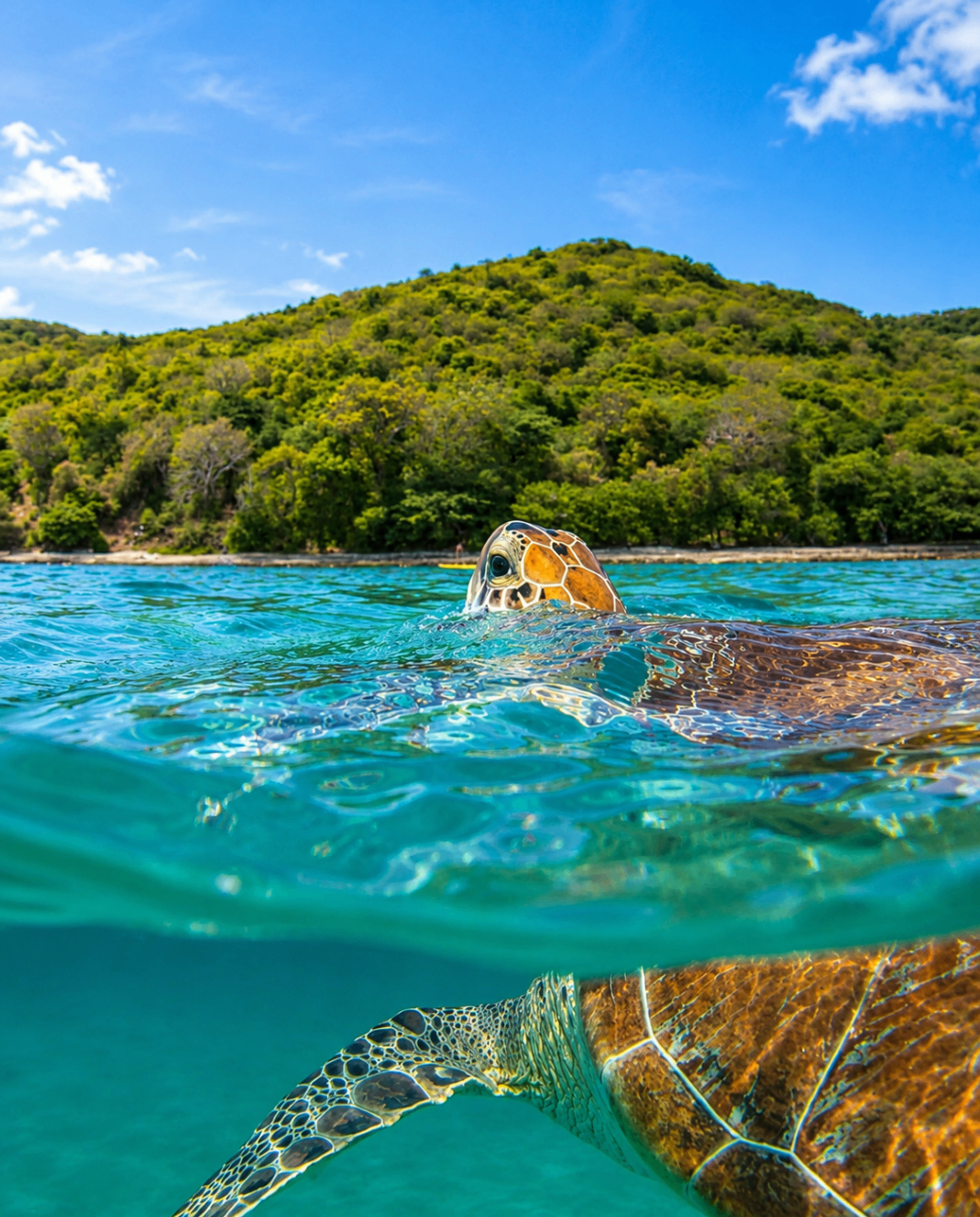
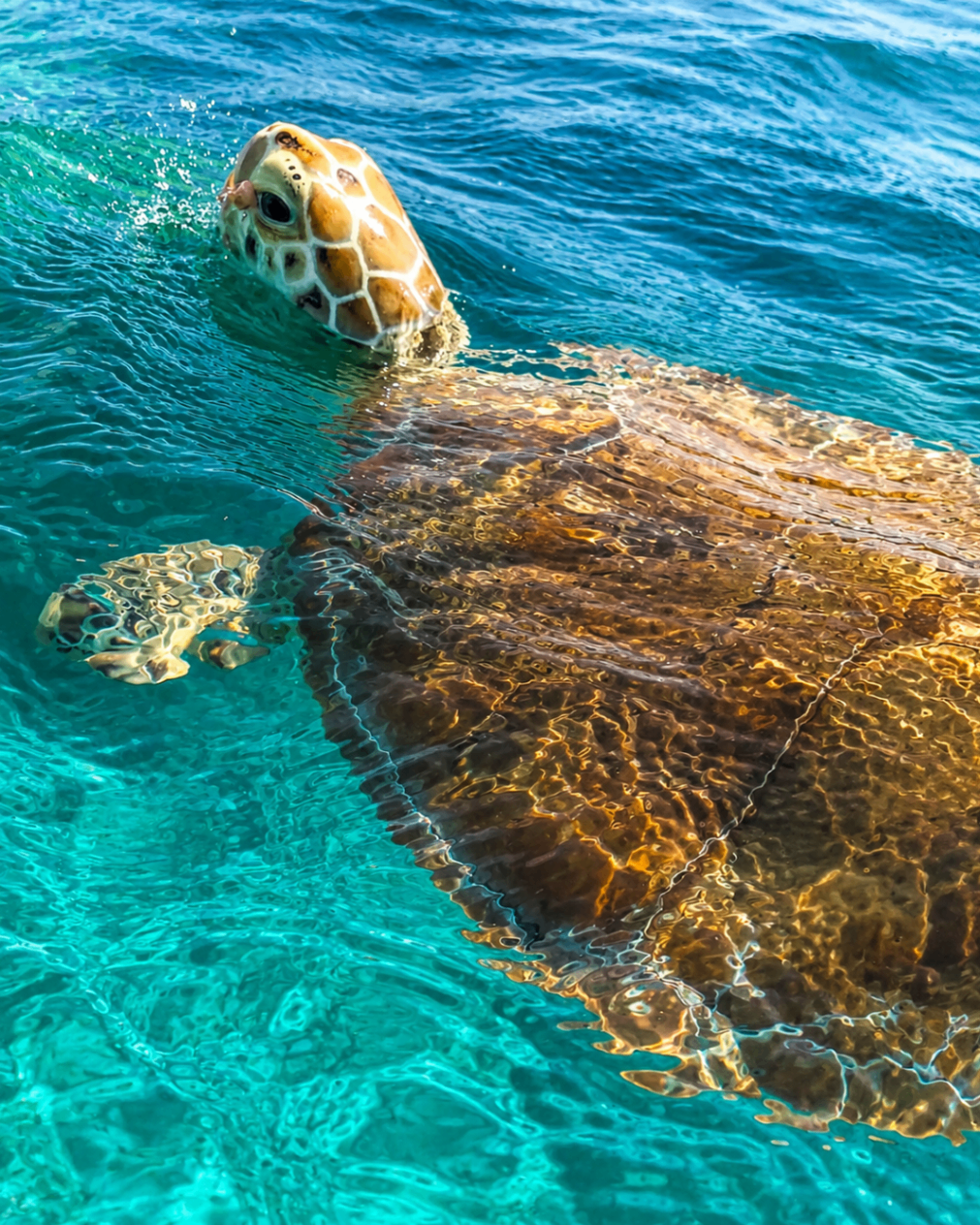
Sea turtles are among Culebra's most treasured marine residents and one of the island's most unforgettable wildlife encounters. Whether you're snorkeling over a coral reef or relaxing on a quiet beach, seeing a sea turtle gracefully swimming through the crystal-clear waters is a moment you'll never forget.
The waters surrounding Culebra's Marine Reserve—including Tamarindo Beach, Carlos Rosario Beach, and Melones Beach—offer some of the best opportunities to observe sea turtles in their natural habitat. These protected areas provide abundant seagrass and healthy coral reefs, making them ideal feeding grounds for several sea turtle species.
Culebra also plays an important role in sea turtle conservation. Every year, from approximately March through August, endangered Leatherback Sea Turtles (Tinglares)—the largest sea turtles in the world—return to the island's beaches to nest. Flamenco Beach and Brava Beach are among the beaches where these remarkable turtles have been known to come ashore under the cover of darkness to lay their eggs, continuing a natural cycle that has taken place for generations.
Wildlife Etiquette
- Observe sea turtles from a respectful distance.
- Never touch, chase, ride, or feed them.
- Allow them to surface and breathe naturally without blocking their path.
- Avoid standing on coral reefs while snorkeling.
- During nesting season, never disturb nesting turtles, nests, or hatchlings.
- Remember that the ocean is their home—we are only visitors.
🕊️ Section 3
Bird Watching
Discover Culebra Through Its Birds
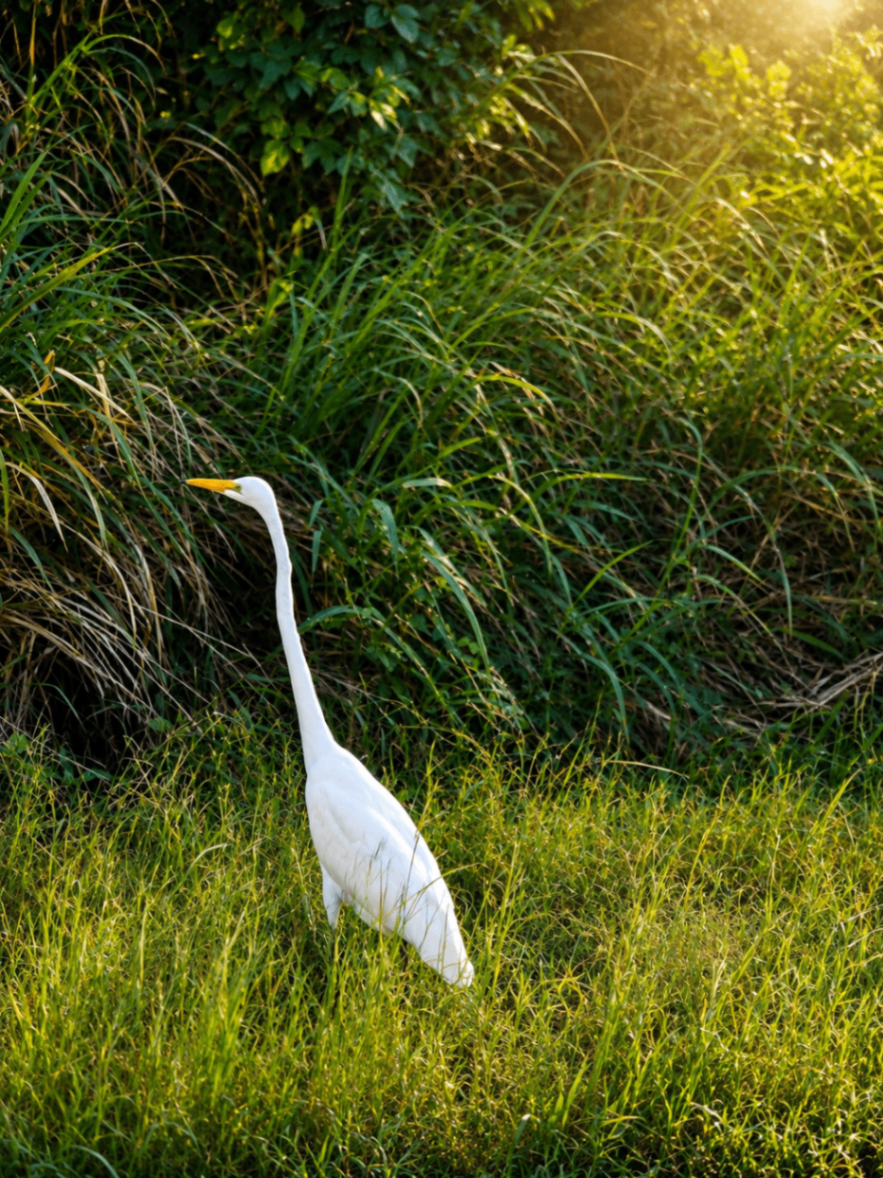
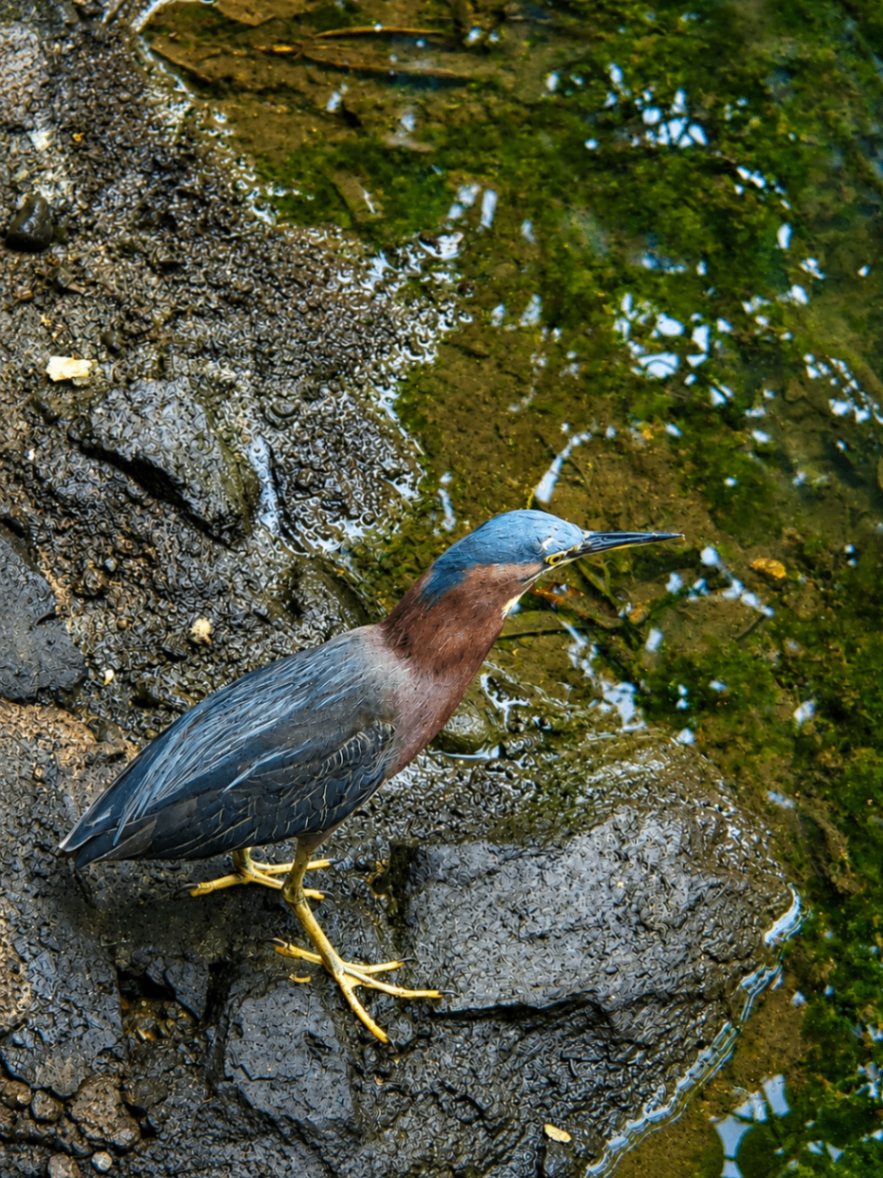
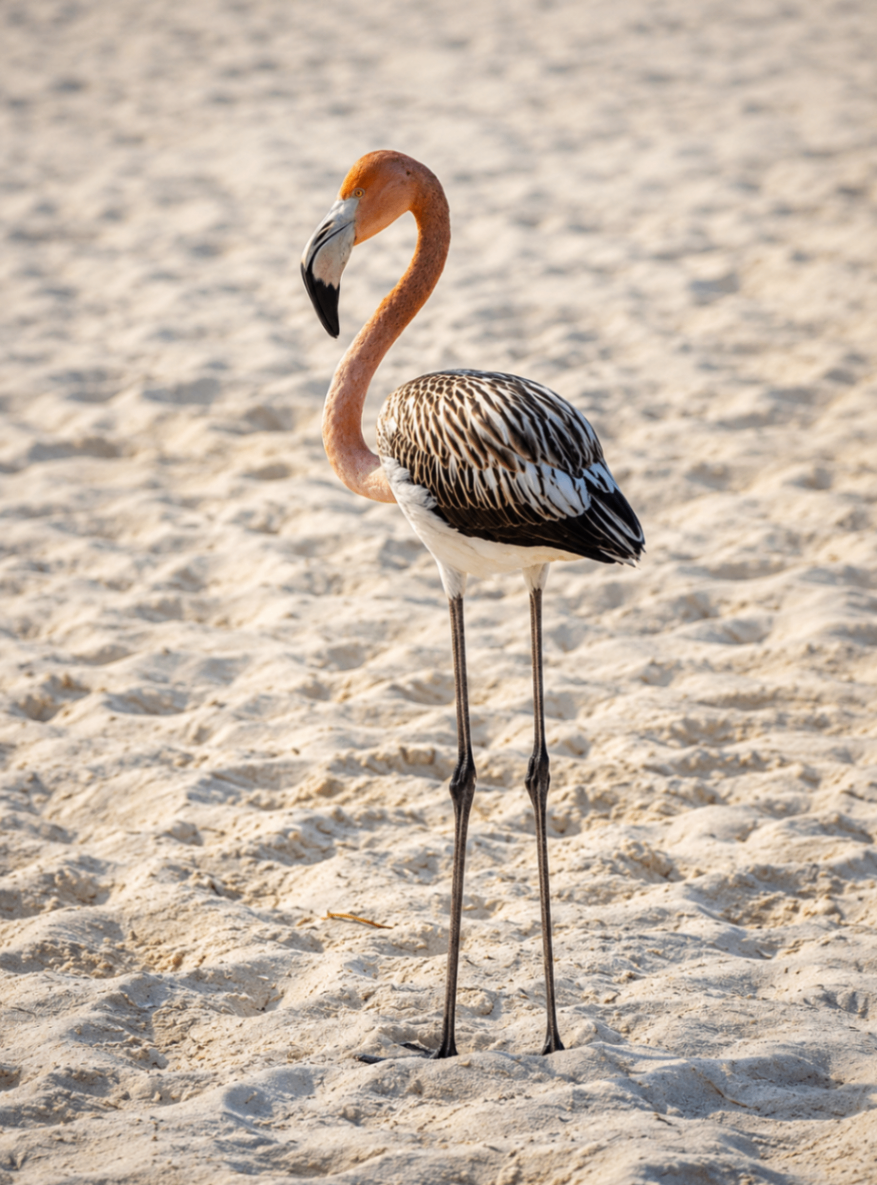
Birds are part of Culebra's everyday life. Whether you're relaxing on the beach, exploring a nature trail, or driving along the island's quieter roads, chances are you'll see pelicans gliding over the water, herons standing patiently along the shoreline, or seabirds soaring high above the coast.
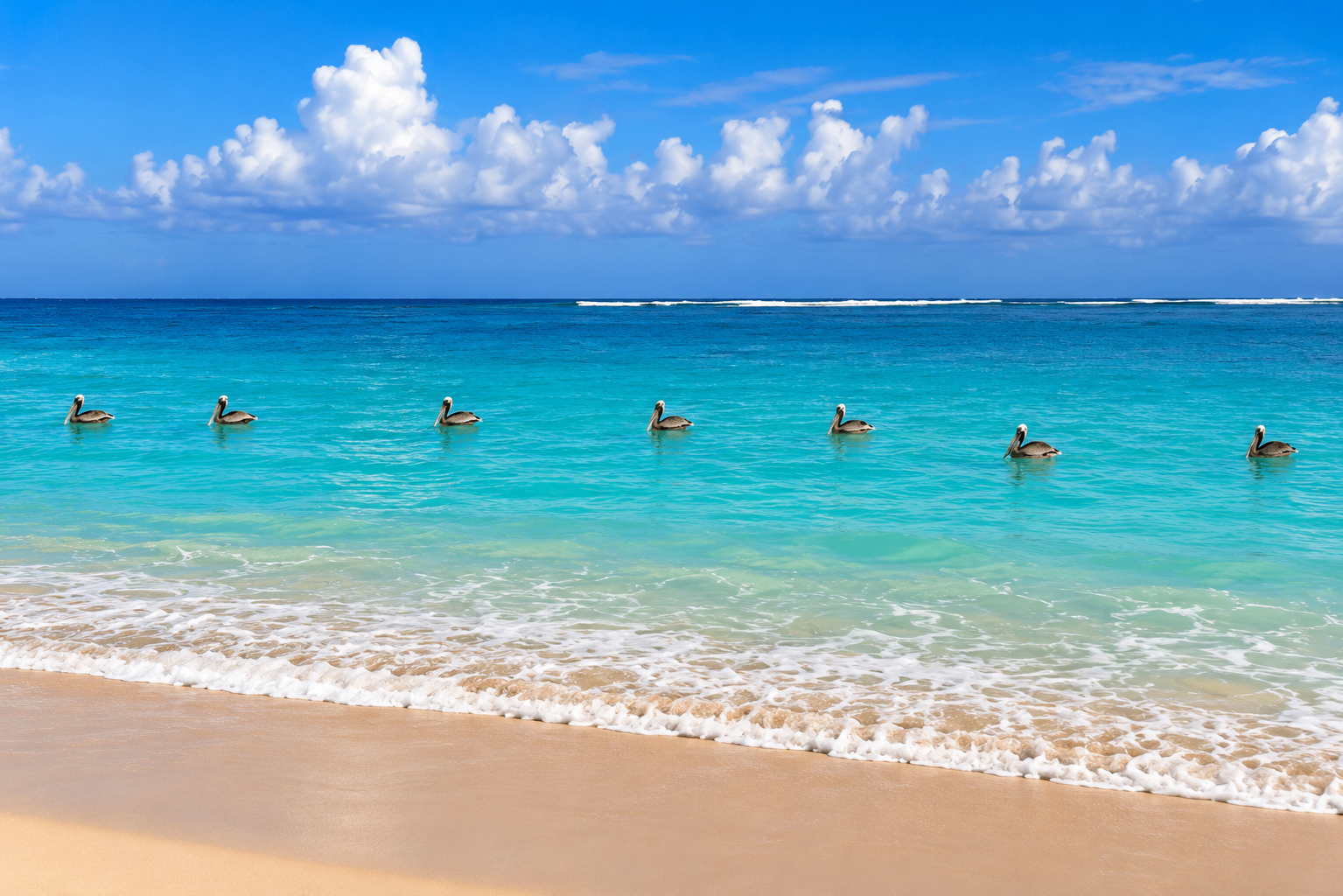
One of the easiest birds to spot is the Brown Pelican. You'll often see them flying gracefully just above the water before suddenly folding their wings and diving into the sea to catch fish. Watching their remarkable hunting technique is one of the simple pleasures of spending time on the island.
For visitors interested in birdwatching, Culebra offers several excellent observation areas. The Culebra National Wildlife Refuge protects wetlands, mangroves, offshore cays, and important nesting habitats for thousands of seabirds each year. It is one of Puerto Rico's most important wildlife sanctuaries and offers exceptional opportunities for birdwatching, wildlife photography, hiking, and nature appreciation.
Recommended Birdwatching Locations
Observation Tower
Zoni Road Observation Tower
Located along the scenic road to Zoni Beach, this peaceful observation tower provides beautiful panoramic views and excellent opportunities to observe seabirds and other wildlife in their natural habitat.
Wildlife Refuge
Culebra National Wildlife Refuge Observation Tower
(Former U.S. Navy Camp)
One of the island's premier birdwatching locations, this observation tower overlooks protected wetlands and natural habitats, offering visitors an excellent opportunity to observe native and migratory birds while enjoying one of Culebra's most important conservation areas.
Open in Google Maps (Observation Tower)Learn More
Culebra National Wildlife Refuge
The Culebra National Wildlife Refuge is one of Puerto Rico's most important protected wildlife sanctuaries. It protects wetlands, mangroves, offshore cays, and nesting habitats for thousands of resident and migratory birds while providing hiking trails, observation towers, educational exhibits, and exceptional opportunities for wildlife observation.
Common Birds You May See
- Brown Pelican
- Magnificent Frigatebird
- Great Egret
- Snowy Egret
- Brown Booby
- Osprey
Wildlife Etiquette
- Bring binoculars if you have them.
- Visit early in the morning or late in the afternoon for the best wildlife activity.
- Observe quietly and avoid sudden movements.
- Stay on designated trails and observation areas.
- Never disturb nesting birds or enter protected nesting areas.
- Respect wildlife by observing from a distance.
🦀 Section 4
Land Crabs
Meet Culebra's Land Crabs
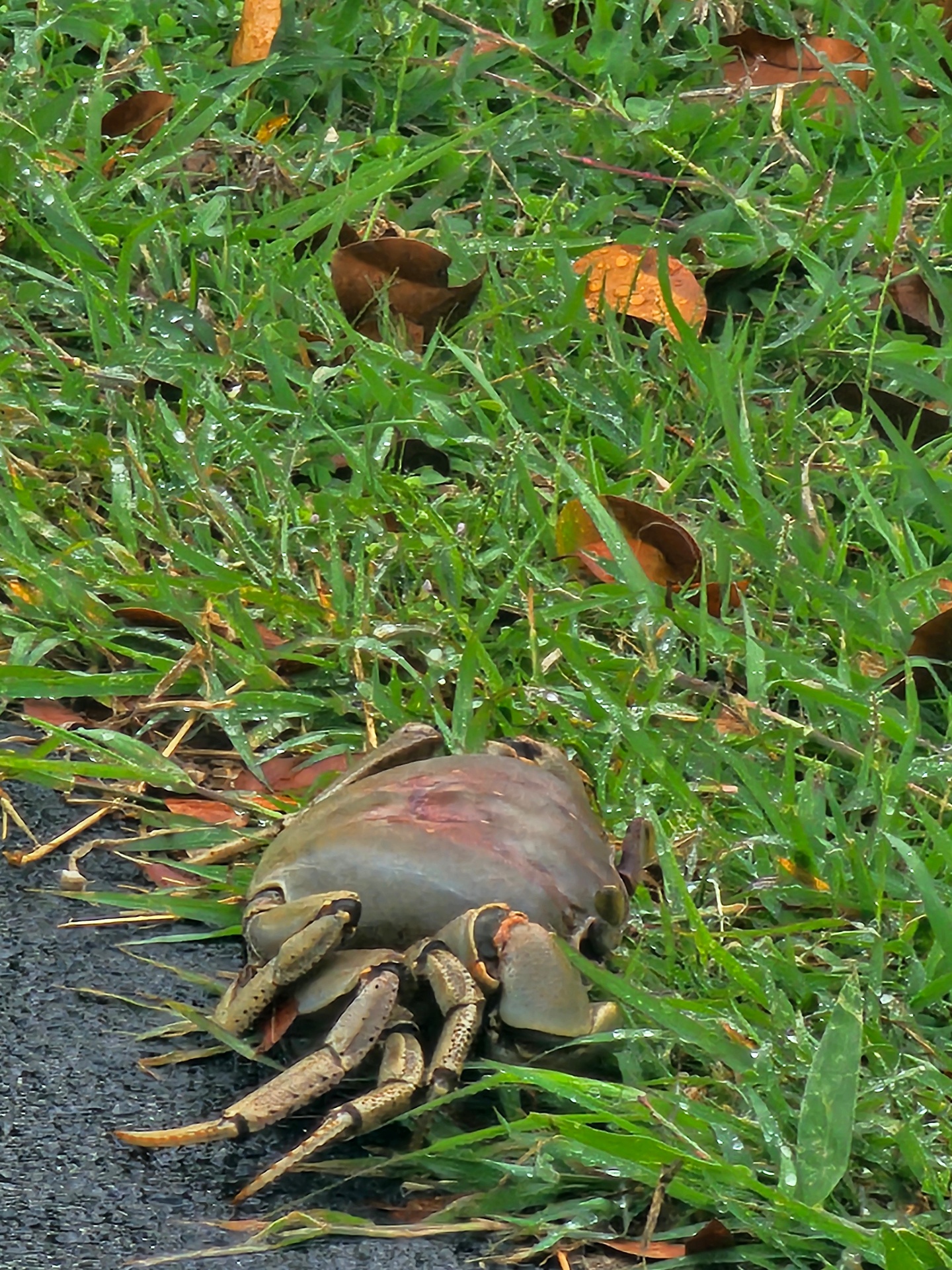
After periods of rain, you may notice land crabs crossing roads and trails throughout Culebra, especially near mangroves and coastal wetlands.
Heavy rainfall can flood their burrows, causing them to move in search of drier ground. Seeing them on the move is a normal part of the island's natural cycle.
Wildlife Etiquette
- Slow down when driving after heavy rain.
- Never run over crabs intentionally.
- Give them time to cross safely.
- Remember that they are an important part of Culebra's ecosystem.
🌿 Section 5
Other Wildlife You May Encounter
Culebra is full of wildlife, and every visit can bring a different surprise.
As you explore the island, you may also encounter iguanas, horses, peacocks, shorebirds, herons, pelicans, and many other fascinating animals. Some are easy to spot, while others appear only if you're patient and observant.
No matter what you see, remember that these animals are part of Culebra's natural environment. Enjoy the moment, keep a respectful distance, and let wildlife remain wild.
Wildlife Gallery
More of Culebra's Wild Side
Additional wildlife photographs will appear here as Coral shares them.